Polydipsia and Polyuria in Cats
Polyuria PU is defined as excessive urine production and is confirmed by demonstrating that daily urine production exceeds the upper limit of normal. In female cats polydipsia may indicate a uterine infection known as pyometra.

Pin On Cat Treatment Cure
So a cat with polydipsia means a cat whose water intake is more than normal.
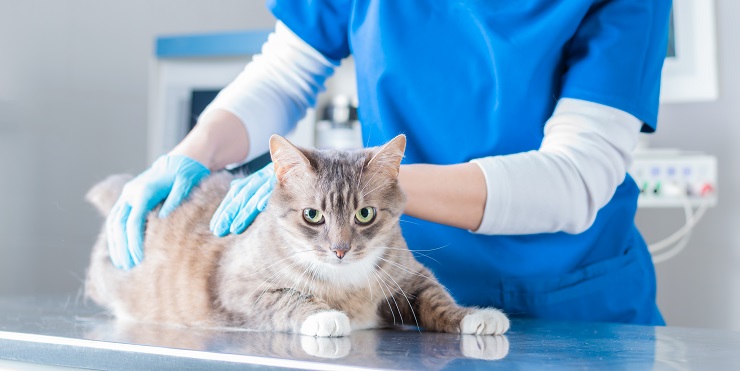
. May present as a primary polydipsia with secondary polyuria uncommon or primary polyuria with secondary polydipsia common. 1982 Jul44119 121 123 125-7. Frequency of voiding is not incl uded in the definition of PU and may be normal or.
Polyuria and polydipsia Many people bring their cats in because theyve noticed either increased drinking or increased peeing. Diabetes Kidney failure Uterine infection Liver disease Low protein diets Age. It involves increased thirst with the consequent increase in fluid intake and excretion polyuria.
Probable primary polydipsia in a domestic shorthair cat Abstract. Polyuria and polydipsia occur in 30 to 40 of hyperthyroid cats and changes in the amount of water consumed and urine excreted are highly variable. Water intake should be measured to confirm that PD is present.
Because water consumption is intimately tied to water excretion polyuric patients often exhibit compensatory polydipsia that is they consume more water in an effort to make up for. These are common clinical signs in both dogs and cats. The term diuresis is also defined as formation of abnormally large volumes of urine.
Also if the pet is already on medication which removes fluid from the body this can cause polydipsia. Polyuriapolydipsia syndrome occurs in association with various diseases in dogs and cats. Although some cats urinate more frequently than others it is important to establish what is normal for your cat and to contact your veterinarian if pollakiuria is evident.
Conditions associated with PUPD include the following. Polyuria and polydipsia PUPD are apparent in a cat if urine specific gravities USGs are consistently. Depending on the bodys need to conserve or eliminate water andor solutes.
Many veterinarians see pets with polyuria PU and polydipsia PD every day. Polyuria and polydipsia PUPD refer to excessive water consumption and urine production respectively. Polyuria and polydipsia can be associated with a variety of medical conditions that may involve alterations in any of these regulatory processes.
Although these are the more common causes of polydipsia there are other less common issues such as liver problems in both dogs and cats. But are our workups as efficient as they could be. Dogs with polydipsia must be examined by a veterinary surgeon to exclude any potentially serious causes.
Frequent urination polyuria goes hand in hand with frequent drinking polydipsia. The basic connection is that if a cat is drinking too much water its. The more common causes of polyuria and polydipsia eg hypercalcemia chronic renal insufficiency pyelonephritis hyperadrenocorticism in most instances have specific and obvious abnormalities associated with the complete blood count CBC serum chemistry profile and.
The treatment for polydipsia in dogs and cats is highly dependant upon the underlying cause. In general animals with these disorders have only one laboratory abnormality a low urine specific gravity. Poly meaning much or many and dipsos meaning thirst.
Author E C Pond. Even if only one is reported the problems go together. Polydipsia is usually linked to another problem.
In certain diseases it may not be realistic to expect to be able to modify water intake. Polyuria is the state in which a patient consistently overproduces urine. Polyuria is defined as the formation and elimination of large quantities of urine.
Other possibilities include low blood potassium levels Cushings disease or a pituitary tumor causing an adult cat to secrete excess growth hormone. When you notice a change in your cats eating or drinking habits urination or bowel movements you may need to take a closer look at his health. 1 Normal daily urine volume is lower in cats.
In chronic kidney failure for example free access to water is a part of treatment and treatment is aimed at supporting kidney function and maintaining quality of life for as long as possible. The term polydipsia is derived from two Greek words. This means producing too much urine.
Differential diagnosis of polyuria-polydipsia in dogs and cats In Pract. There are a number of mechanisms involved in the pathogenesis of polydipsia and polyuria in hyperthyroidism. Although serious medical consequences are rare your pet should be evaluated to guarantee that these conditions are not symptoms of more serious underlying medical conditions.
In dogs daily urine volume should normally not exceed approximately 50 mLkgday. There are also behavioural problems in dogs such as boredom psychogenic polydipsia some forms of cancer as well as certain drugs such as steroids like prednisone. Additional causes of polyuria and polydipsia in cats include.
Keeping Up With Kitty. Polydipsia and Polyuria in Cats Polyuria means abnormally high urine production in cats while polydipsia refers to the animals increased level of thirst. PUPD is a very common presenting sign in cats.
Alopecia In Cats Symptoms - 14 images - losing hair in cats definition cause solution hair loss in cats alopecia everything about cats ringworm symptoms in cats petmd cat hair alopecia felina pdf. A 10-month-old neutered male domestic shorthair cat presented with a 4 month history of polyuria and. Thyroid disease in cats Adrenal gland disease.
Frequent urination differs from urgent urination in that the cat produces excessive amounts of urine whereas in urgent urination the. It isnt a disease but a symptom of a medical problem. At the Fetch dvm360 virtual conference Heather Kvitko-White DVM DACVIM SAIM an internist at BluePearl Veterinary Partners in Kansas City Missouri and founder of KW Veterinary.
Which tests provide the most useful information. Urine volume in excess of 45 mlkgday in dogs and 40 mlkgday in cats is consistent with polyuria. Differential diagnosis of polyuria-polydipsia in dogs and cats.
Veterinary medicine and care. Polydipsia PD is defined as water intake exceeding 100 mlkgday. Pollakiuria is the voiding or passing of small quantities of urine more frequently than normal.
It is not uncommon for cats with pollakiuria to have accidents in the house. Polyuria is defined as the excessive production and elimination of urine and polydipsia is increased thirst. Any condition that causes polydipsia or excessive drinking in cats may be serious and should be monitored or treated under veterinary supervision.
Cats are creatures of habit. When urine production exceeds 45 mlkgday in the dog and 40 mlkgday in the cat the patient is said to be polyuric.

Pin By Four Paws Mobile Veterinary Cl On General Cat Care Cat Medication Cat Care Feline Panleukopenia
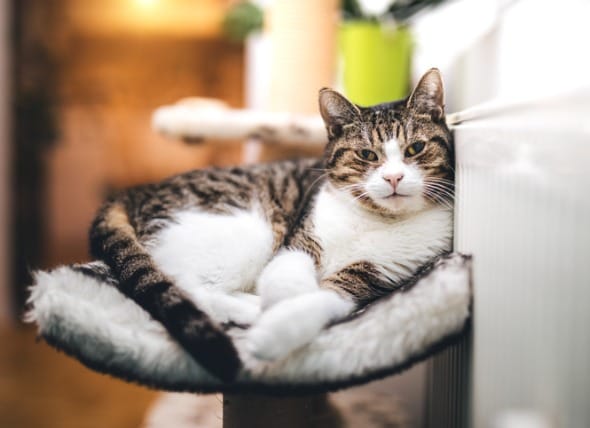
Increased Urination And Thirst In Cats Petmd

Pet Problems Associated With Polyuria And Polydipsia Pets Plus Uspets Plus Us

Increased Thirst And Urination In Cats Hampton Veterinary Hospital Hampton Veterinary Hospital
Polyuria And Polydipsia Streamlining Your Veterinary Diagnostics Dvm360
Polydipsia In Cats Symptoms Diagnosis Treatment All About Cats

Pin On Health Care

Pin On General Dog Care Tips Helpful Tips For Dogs
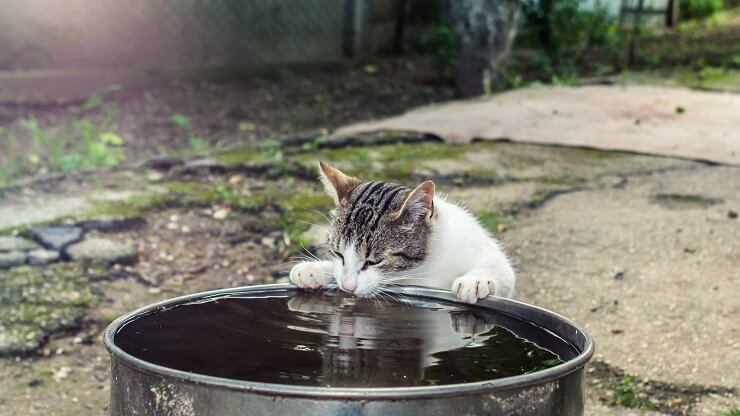
Polydipsia In Cats Symptoms Diagnosis Treatment All About Cats
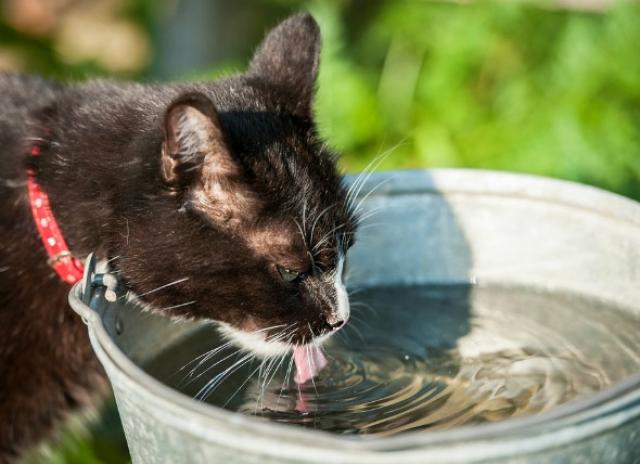
Increased Urination And Thirst In Cats Petmd
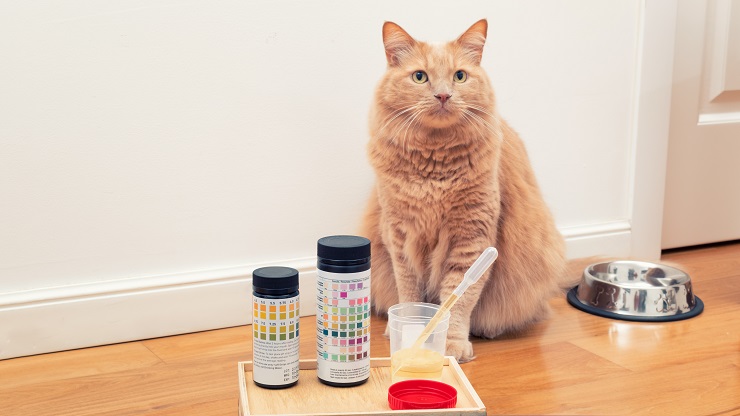
Polydipsia In Cats Symptoms Diagnosis Treatment All About Cats
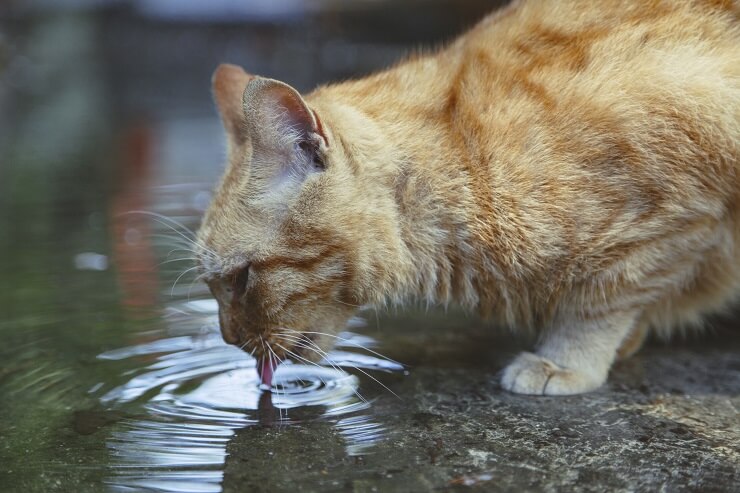
Polydipsia In Cats Symptoms Diagnosis Treatment All About Cats
Increased Urination And Thirst In Cats Petmd

Vet Medicine Diabetes Feline Health

The Dig Pet Health Lifestyle Resource By Fetch Cats Gorgeous Cats Siamese Cats
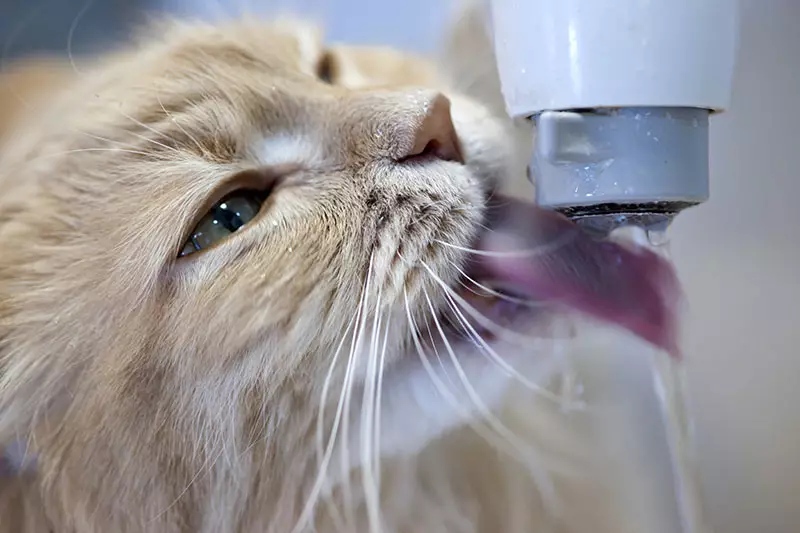
Polyuria And Polydipsia In Dogs And Cats
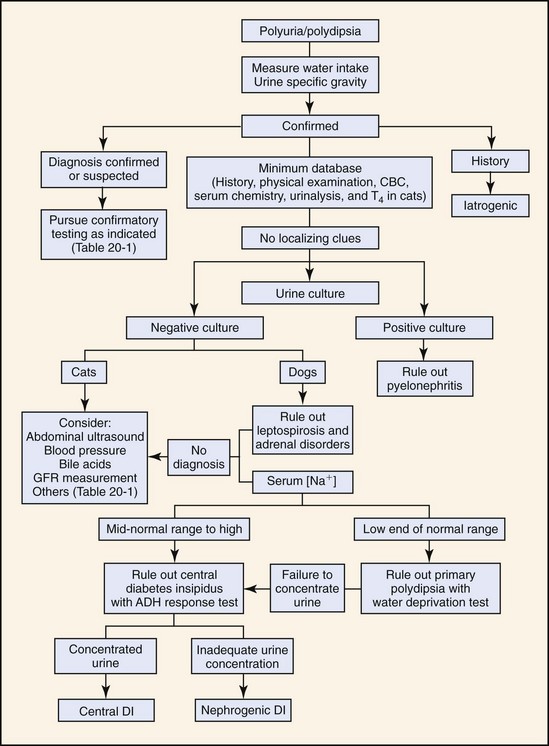
Polyuria And Polydipsia Veterian Key

Return Gorgeous All White Beginner Kitty With 2 Different Colored Eyes Fitzgerald Needs Follow Up Vet Care For Pol Cat Adoption Cat Shelter Animals
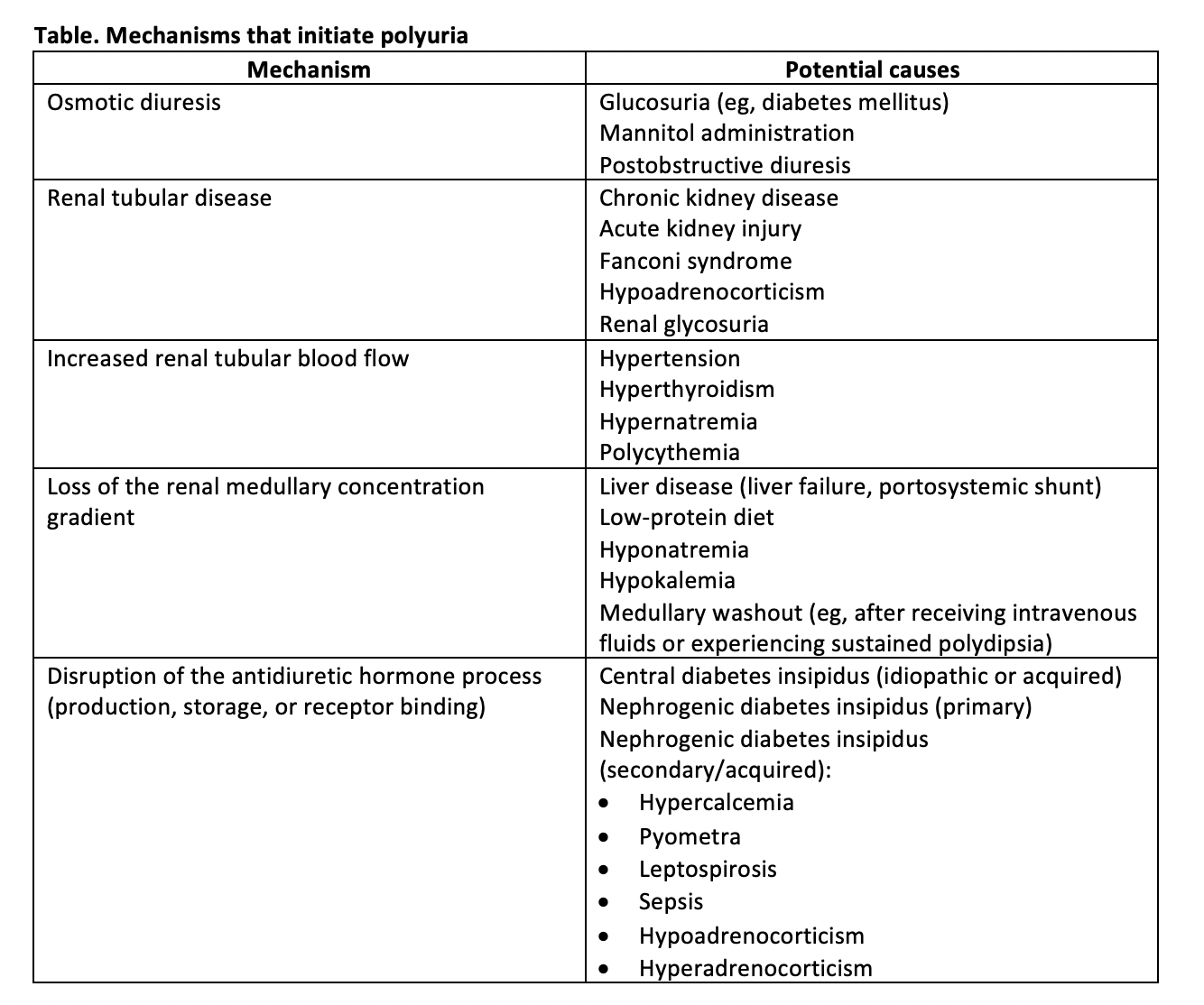
Polyuria And Polydipsia Streamlining Your Veterinary Diagnostics Dvm360
Comments
Post a Comment